
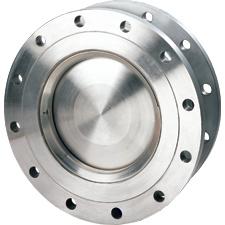
Compac-Noz Nozzle Check Valves - High-Performance Non-Return Valves for Efficient Flow Control
Date : 2026-07-18Compac-Noz Nozzle Check Valves - Compact Design, Maximum Protection
In industrial piping systems, preventing reverse flow is essential for protecting equipment, maintaining process efficiency, and ensuring operational safety. Compac-Noz Nozzle Check Valves are engineered to provide fast, reliable, and maintenance-friendly non-return flow control for a wide range of industrial applications. Their compact, spring-assisted design minimizes pressure loss, eliminates water hammer, and delivers exceptional performance even under demanding operating conditions.
Unlike conventional swing check valves, Compac-Noz Nozzle Check Valves feature an axial flow design that allows fluid to move smoothly through the valve with minimal turbulence. This results in higher efficiency, lower energy consumption, and extended equipment life. Their lightweight and compact construction also make installation easier while reducing overall pipeline weight.
At Weldarc Engineers, we supply high-quality Compac-Noz Nozzle Check Valves that meet the performance requirements of industries such as power generation, chemical processing, oil & gas, water treatment, HVAC, pharmaceuticals, food processing, and general industrial manufacturing.
What is a Compac-Noz Nozzle Check Valve?
A Compac-Noz Nozzle Check Valve is an advanced type of non-return valve designed to automatically prevent reverse flow within a piping system. It operates using a spring-loaded nozzle or disc that opens when fluid flows in the correct direction and closes instantly when the flow stops or reverses.
Its compact axial-flow design reduces turbulence, pressure drop, and mechanical wear compared to traditional swing-type check valves.
Working Principle
The valve operates automatically without requiring external control.
As fluid enters the valve in the forward direction, the system pressure compresses the internal spring and lifts the nozzle from its seat, allowing unrestricted flow.
When the pump stops or reverse flow begins, the spring immediately pushes the nozzle back onto the seat before backflow develops. This rapid closure helps eliminate reverse flow and significantly reduces the risk of water hammer, vibration, and pipeline damage.
The result is smooth, reliable, and efficient operation throughout the system.
Key Features
- Compact and lightweight design
- Spring-assisted quick closing mechanism
- Low pressure drop
- Silent operation
- Water hammer prevention
- High flow efficiency
- Excellent sealing performance
- Low maintenance requirements
- Long service life
- Suitable for horizontal and vertical installation
- Corrosion-resistant construction
- Precision-machined internal components
Advantages of Compac-Noz Nozzle Check Valves
Fast Response Time
The spring-assisted nozzle closes immediately when flow stops, preventing reverse flow before it can damage pumps or equipment.
Reduced Water Hammer
Quick valve closure minimizes pressure surges, protecting pipelines and machinery from sudden hydraulic shocks.
Low Pressure Loss
The streamlined axial flow path allows fluid to pass with minimal resistance, improving overall system efficiency.
Compact Installation
The short face-to-face dimension requires less installation space compared to conventional check valves.
Quiet Operation
Unlike swing check valves that may slam shut, nozzle check valves operate smoothly and silently.
Extended Equipment Life
By preventing backflow and pressure surges, the valve helps protect pumps, compressors, turbines, and other critical equipment.
Technical Benefits
- Immediate non-return action
- Improved pumping efficiency
- Lower maintenance costs
- Reduced pipeline vibration
- Increased operational safety
- High reliability under varying pressures
- Energy-efficient flow characteristics
- Suitable for high-pressure applications
- Long operational life
Maintenance Tips
Although Compac-Noz Nozzle Check Valves require minimal maintenance, regular inspections help ensure optimal performance.
- Inspect the valve periodically for wear or deposits.
- Check the spring mechanism during scheduled maintenance.
- Ensure the valve is installed in the correct flow direction.
- Monitor operating pressure within recommended limits.
- Replace worn seals or internal components with genuine parts.
- Keep pipeline systems free from excessive debris.
- Follow manufacturer maintenance recommendations.